
Faces first
The brain finds a face in about a fifth of a second. I lead with one, then let its gaze point at the product.

I design where the eye goes — and where the buying decision happens. 9+ years of design, video and UI/UX, rebuilt on how the brain actually sees.
Most designs get seen. Mine get looked at. For 9+ years I've blended graphic design, video editing and UI/UX with neuromarketing — the science of how a brain notices, trusts and decides — so every frame earns its place on the screen, and in the sales report.
Before an ad goes live I read it the way your customer's brain will: the first fixation, the path the eyes take, and the exact spot where the “yes” forms. Pick an ad and watch its first three seconds.
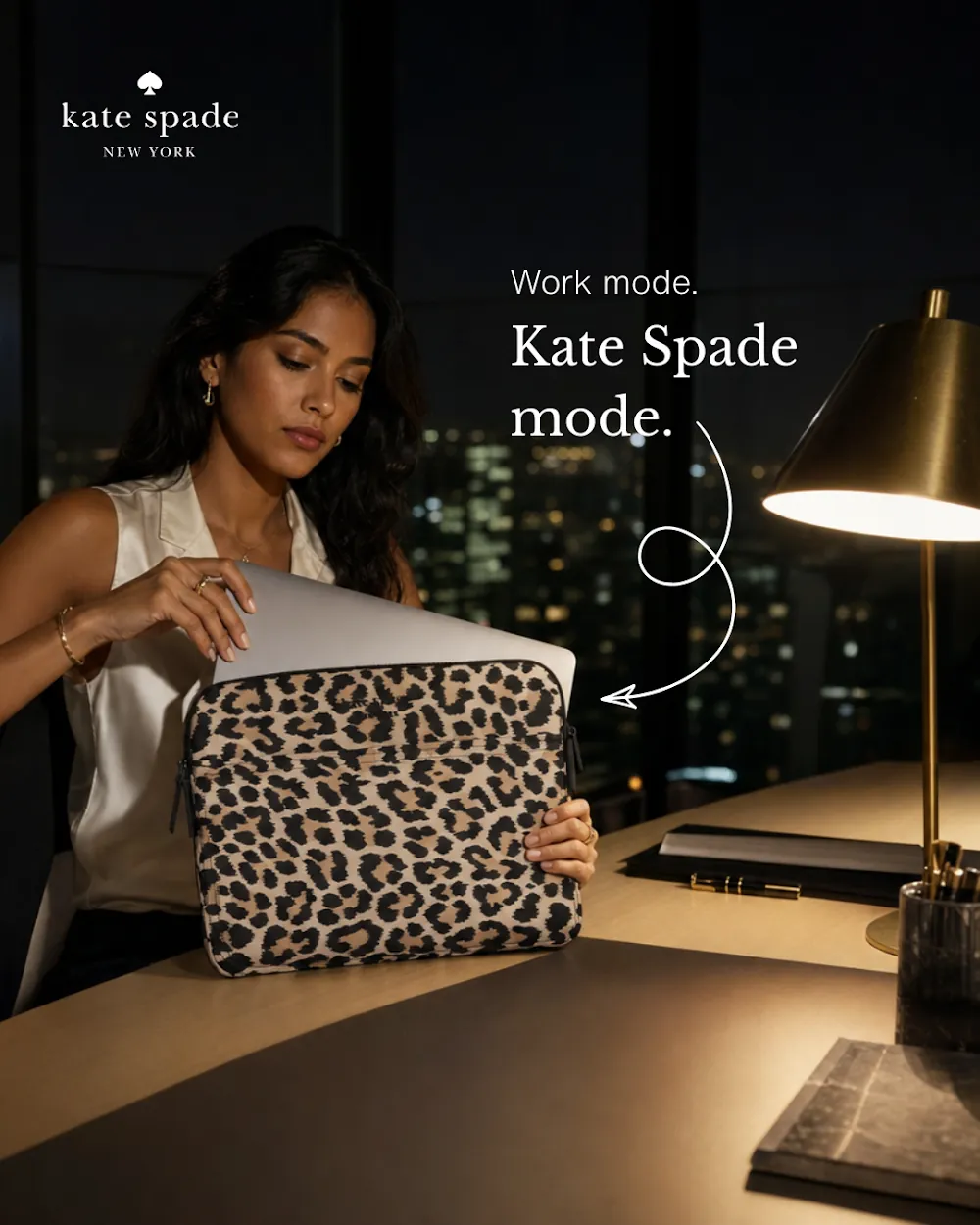
Predicted attention model built on eye-tracking principles — faces first, contrast, reading patterns and visual hierarchy.
I rebuilt how Case-Mate's brands show up online — brand-story pages designed web-first and mobile-first, plus Meta and Amazon ads — with neuromarketing in place of guesswork. Faces to win the first glance. One focal point per frame. Fewer words. Every call-to-action parked in the decision zone.
After the neuro-led redesign went live, the revamped pages and campaigns saw significant growth in sales.
Pages that read like a story — on every screen.

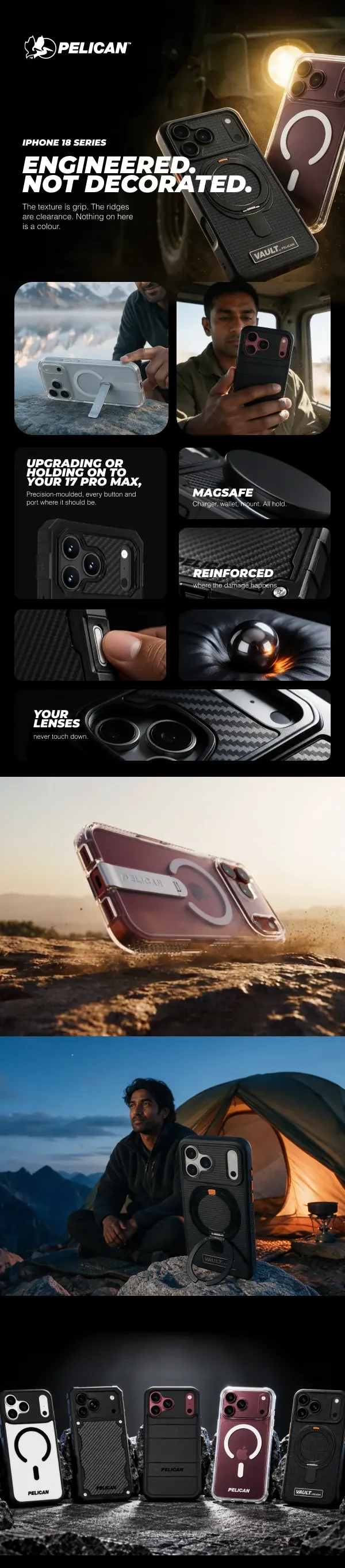
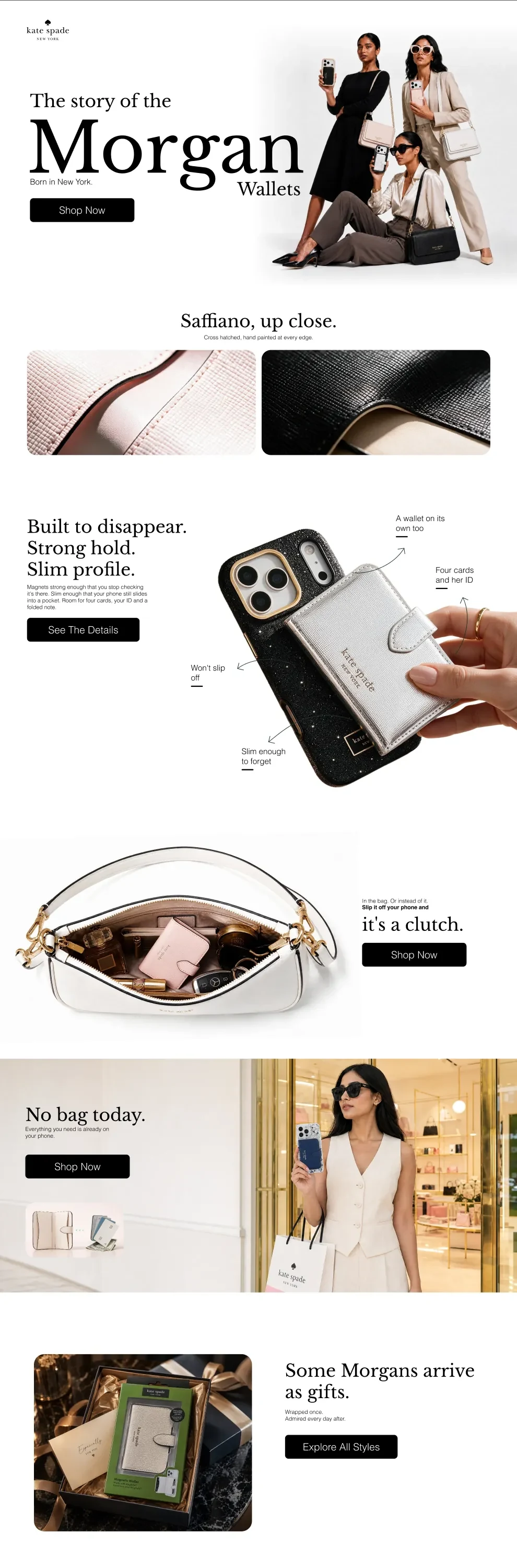

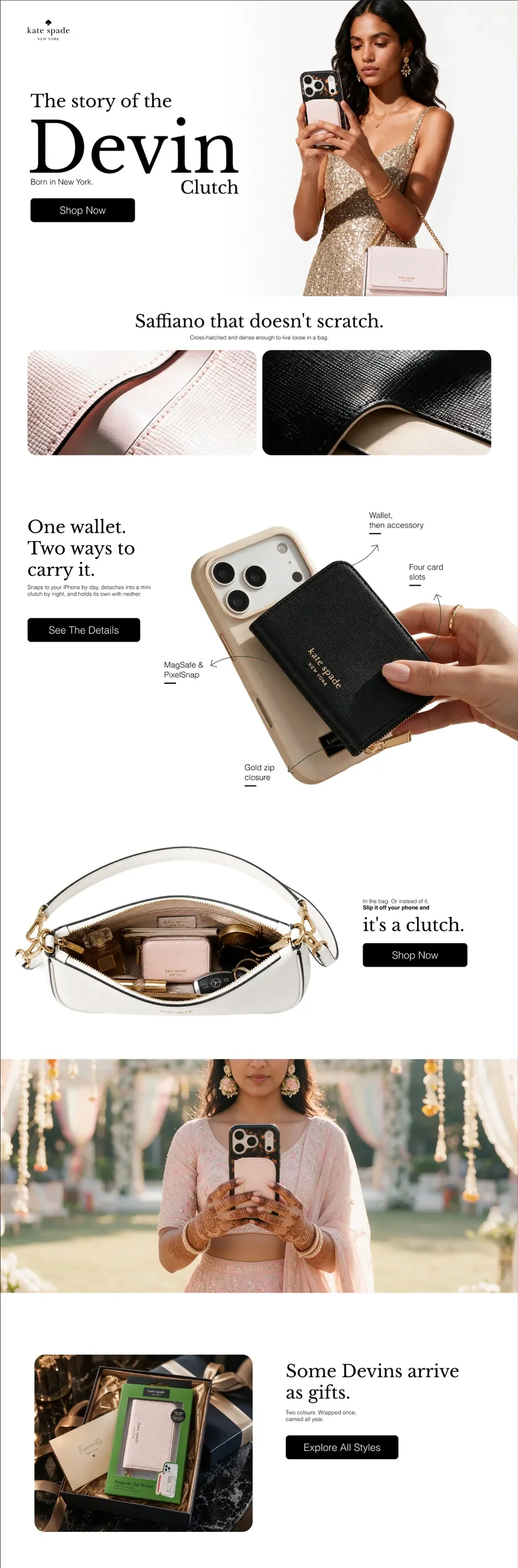

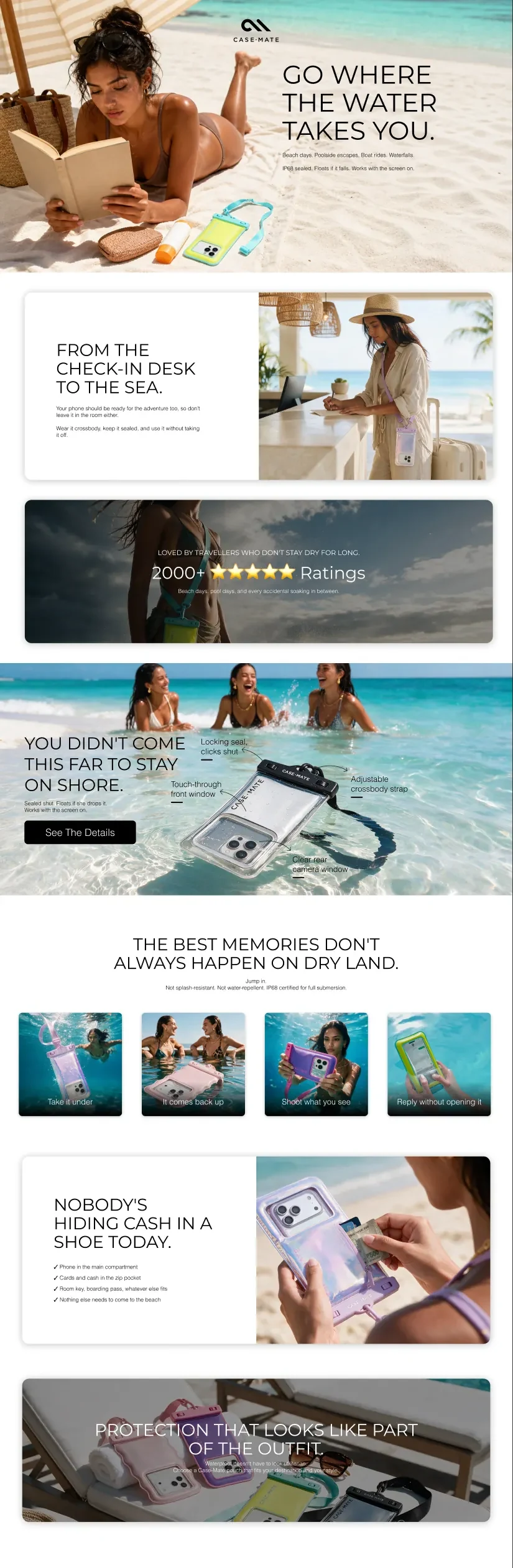

The brain finds a face in about a fifth of a second. I lead with one, then let its gaze point at the product.
Every frame gets a single hero. Competing elements split attention, and split attention doesn't buy.
Three-to-four-word serif headlines. Less reading means more feeling — and feeling is where decisions start.
CTAs sit where the gaze path ends, not where there's empty space. That's where the “yes” forms.
21 statics and carousels. Face-led, one product hero, three words of headline.
Hook in the first second, a pattern interrupt every three, captions for everyone watching on mute. The same rules I use on brand video, AI product films and motion graphics.
Pattern interrupt before the thumb moves on. Faces, eye contact, unexpected scale, motion in frame one.
Guide the eye on a deliberate path: face → headline → product. Hierarchy decides what gets read and what gets skipped.
The brain asks “is this for me, and is it safe?” Clarity, real people, proof and familiar cues answer before it doubts.
Put the call-to-action exactly where the gaze path ends. Remove friction. Make “yes” the easiest thing on the screen.

My LinkedIn says designer — and I am one: 9+ years of graphic design, branding, video editing, motion and UI/UX. But the work that changed my results came when I started studying why people look, trust and buy.
Neuromarketing turned my design from “looks good” into “sells more”. I map attention before I push pixels, test angles instead of guessing, and use AI workflows so creative teams ship faster without losing taste. Healthcare, D2C, SaaS, Amazon brands — the brain is the same everywhere.
UI/UX · Graphic design & branding · Video editing · Motion graphics · Logo design
Attention mapping · Creative strategy · Meta & Amazon creative · Organic growth
AI workflow integration · AI agents · Generative AI video & image
Figma · Photoshop · Illustrator · Premiere Pro · After Effects
Advanced VFX — MAAC (2018) · Zoho Marketing Automation (2025) · Gemini Generative AI (2026)
Got a product people scroll past? I'll audit your creatives and show you exactly where attention leaks — and where the decision dies.

Keep scrolling — I'm measuring where your attention goes.
Measured live in your browser from what was on screen. Nothing is sent anywhere.
Fill this in and send it straight to my inbox or WhatsApp — everything arrives pre-written.
If nothing opened, reach me directly at dhirendesigns@gmail.com or WhatsApp.